





Focus Eye Group

Introducing Focus Eye Group
Your Trusted Source for Exceptional Eye Care in Chester County!
For decades, the team behind Levin Luminais Chronister Eye Associates has been synonymous with excellence in eye care throughout Chester County. Now, as we step into an exciting new chapter, we are thrilled to introduce ourselves as Focus Eye Group. Our commitment to providing the highest quality care remains unwavering, and we are excited to continue serving you under our new name and branding.
We specialize in Ophthalmology, Optometry, and Multi-Specialty Ophthalmic Practices at Focus Eye Group. Our expertise encompasses the full spectrum of eye care, from preventive measures to detecting and treating various eye conditions. With a particular focus on cataracts and their treatment options, including advanced laser cataract surgery, our team is well equipped to address all your eye health needs.

Experience renewed vision and vibrant clarity with cataract surgery. Our expert team specializes in personalized care, ensuring comfort and safety throughout the procedure. Say goodbye to cloudy vision and hello to a brighter, sharper world with our trusted cataract surgery services.

Enhancing your natural beauty through our transformative cosmetic and eyelid surgery procedures. Our skilled surgeons tailor every treatment to your goals, helping you achieve the aesthetic results you've always dreamed of.

Our team understands the discomfort dry eyes can bring, and we offer personalized solutions to alleviate your symptoms and improve your quality of life. Say goodbye to irritation and hello to refreshed, hydrated eyes with our expert dry eye treatment services.

Protect your vision and enhance your eye health with our advanced glaucoma treatments. Our highly skilled ophthalmologists will customize a care plan to effectively manage and control glaucoma, ensuring the preservation of your sight. Trust in our expertise to maintain clear vision and a brighter future through our specialized glaucoma treatments.
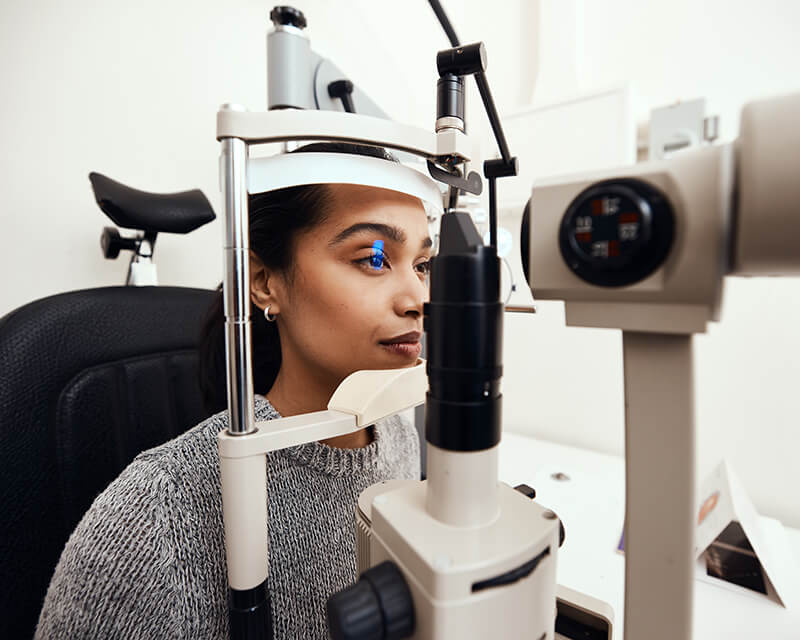
Prioritize your eye health with our routine eye exams, designed to keep your vision at its best. Our experienced optometrists provide thorough assessments, ensuring early detection of any issues and offering tailored solutions to maintain your visual well-being. Invest in regular eye exams to safeguard your eyesight and enjoy a lifetime of clear and healthy vision.
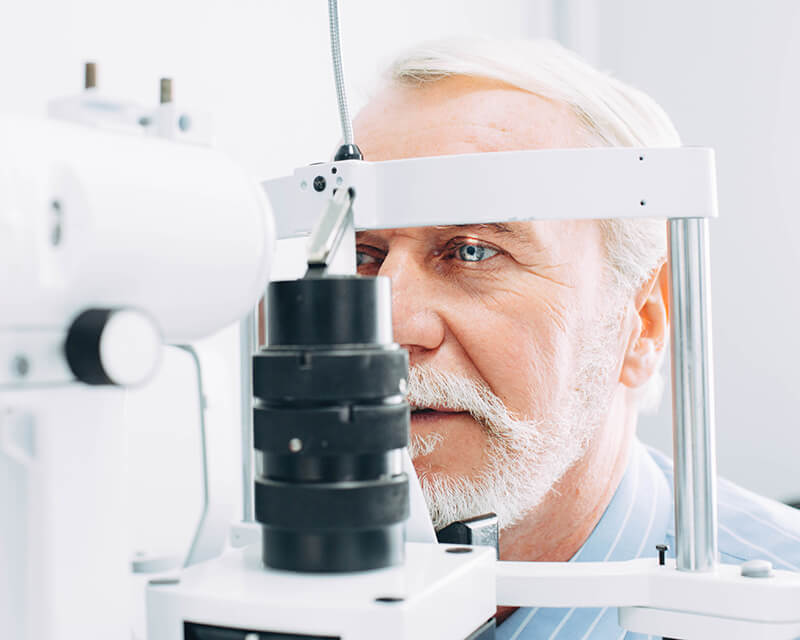
Elevate your eye health to a higher level with our specialized retina care. With cutting-edge diagnostics and personalized treatment plans, we're committed to providing the best care for your eye's most delicate and vital component. Trust us to safeguard your vision and enjoy a brighter, clearer world through our expert retina care services.

Shop Our
Optical & Contact Lenses
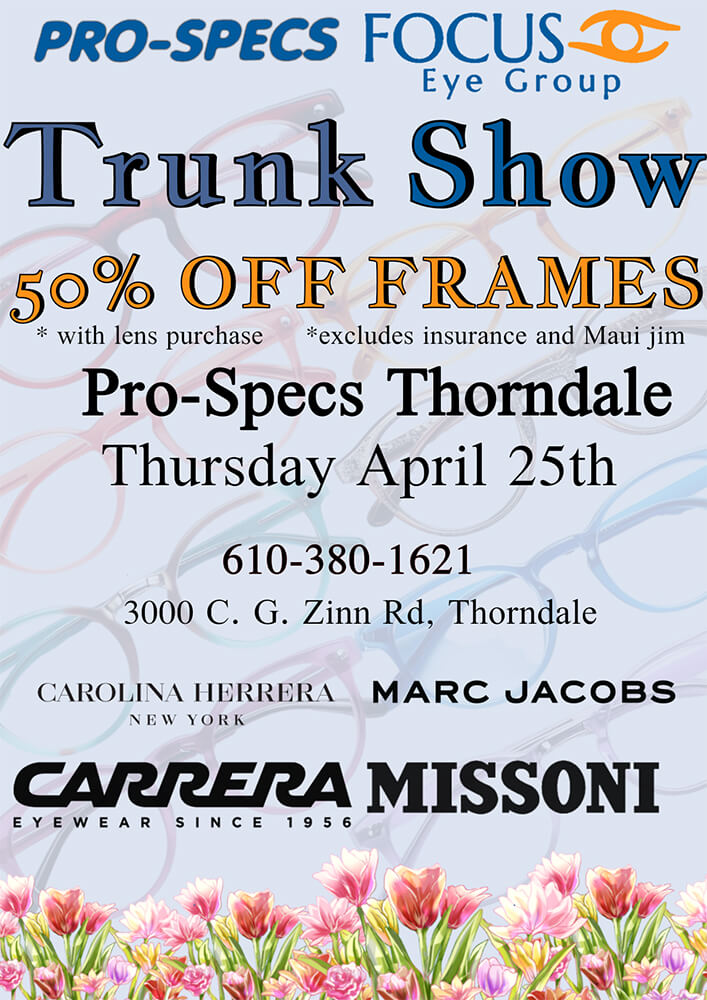
Discover the perfect frames at our on-site optical shop, Pro-Specs. Elevate your eyewear experience with our carefully curated selection of stylish frames that blend fashion with functionality. Our expert opticians are dedicated to helping you find the ideal frames that compliment your appearance and provide the perfect fit for ultimate comfort. In addition, our Optical Shop offers a diverse array of contact lens options to suit your lifestyle and prescription, ensuring clear vision and all-day comfort.
Ready to Get Started?
The ophthalmologists at Focus Eye Group are ready to help you with all of your vision treatment needs.